
Training, Technical Assistance, and Evaluation on Race, Culture, and Gender
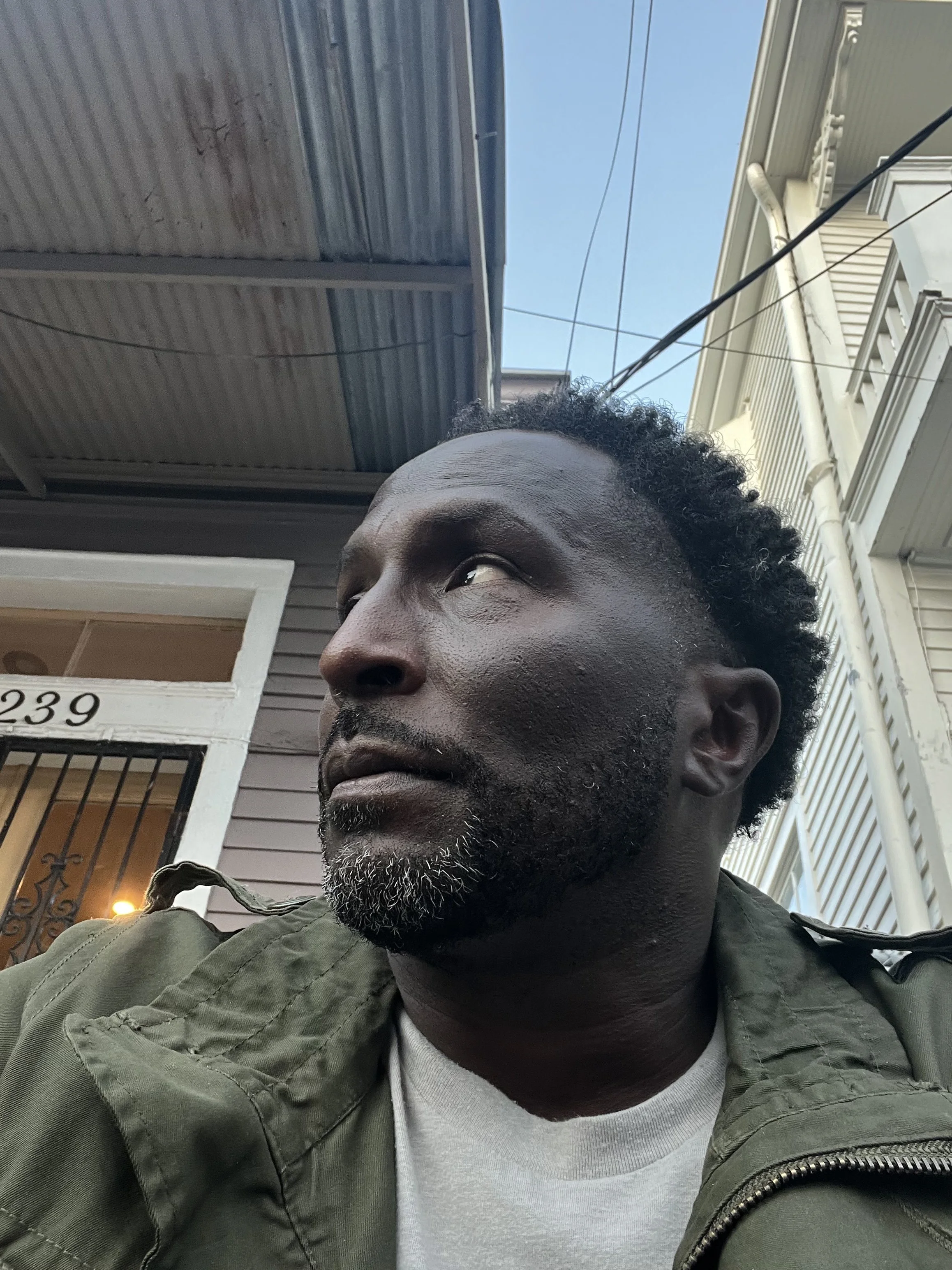
“I have witnessed over many years and in multiple contexts how Laura helps people in positions of privilege (e.g. men, white people, cisgender and heterosexual people) understand issues of privilege and oppression and be better allies.
A true social worker, Laura meets people where they’re at, figures out what values they hold, and — using those values — helps guide them with loving accountability towards greater awareness and action.
She does this well because she listens deeply to people from marginalized groups about what they need, and she feels accountable to them in doing this work.”
Joe Francisco, LCSW, Clinical Counselor with US Navy Fleet and Family Services
New Orleans, Louisiana
I have offered a variety of trainings to agencies on issues of race and racism, culture, historical trauma, cultural humility, white anti-racist practice, and having brave conversations about these topics. I was trained in undergrad on these topics from 2000 - 2004, and further in my teaching career 2004 - 2007. From 2011 - 2013, I was trained in Indigenous Dialogue practices by First Alaskans Institute’s Alaska Native Dialogues on Racial Equity project, for which I volunteered, co-facilitating dialogues across Alaska with a variety of audiences. I have also co-created and led trainings on race and culture with Northern philosopher Warren Mairuk Jones (Yup’ik/Gwich’in) and Mark Anaruk (Iñupiaq), and worked with them to create evaluations, assessments, and reading lists for majority-white organizations.
In November 2023, I created, upon request from a majority-white environmental organization, an evaluation, training, & technical assistance package to support the organization with “Having Brave Conversations.” This included pre- and post- surveys, a final report with recommended readings and activities, and a live training that addressed the differences between calling in and calling out and when and how to employ either approach and in-depth discussion, role play, and practice.
Feedback on the impact of the training included comments such as:
“I like that we have a shared language for addressing these things and that people are equipped with tools when these situations arise.”
I think having shared the experience of the training, it also creates a social space for someone to initiate a observation of racism. Like, now we all understand what's happening and what the person who brings it up is trying to accomplish.
In early 2026, I tailored this training for a small research firm, which was met with enthusiastic feedback:
“It was so good learning from you... You are very talented at what you do! I definitely got something out of the training, and do feel more confident in responding appropriately if I ever find myself in a tough situation with one of the heavy topics we discussed.”
This training, evaluation, and technical assistance can be tailored for your agency, and can also be conducted via a team approach with trainers representing different cultural backgrounds. My training typically covers a brief history of racism and historical trauma in the United States and in Alaska, an overview of “calling in” and “calling out,” and how to respond when you are called in or called out. It includes many activities for reflection, discussion, role play, and practice, and can be expanded based on time, budget, and interest. It can also be combined with other interrelated topics on which I offer training, such as childhood trauma, and DV/SV.
